
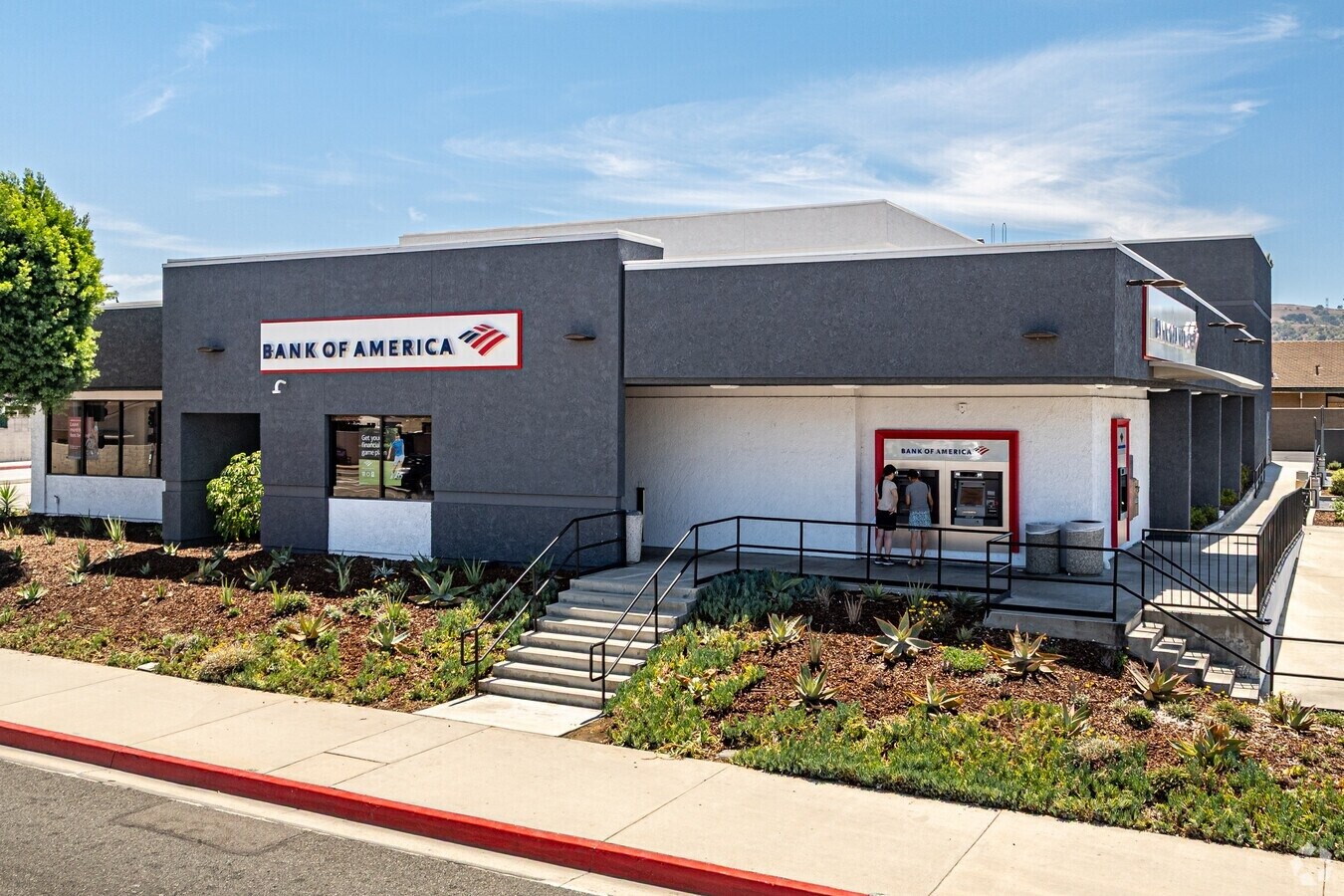
Bank & Financial Building Roofing in Austin, TX
A Bank Roof Is Small, but It Is on Display and It Protects Cash Operations
Bank roofs are some of the smallest commercial roofs we work on and some of the least forgiving. A neighborhood branch along Burnet Road or out in a Cedar Park retail pad has only a few thousand square feet of low-slope roof, plus a drive-through canopy, but that roof sits over teller lines, a vault, server and network equipment, and a lobby where customers form an impression of the institution before they reach the counter. A small roof leaves no room for error: there is no remote back corner where a leak does no harm. Every square foot is over something that matters, and the building's appearance from the parking lot is part of the brand.
Drive-Through Canopies Are Their Own Roofing Problem
The detail that defines a bank is the drive-through canopy, and it is a roofing assembly people overlook until it fails. That canopy is usually a flat or low-slope roof cantilevered out over the teller lanes, often a different structure from the main building, tied back to it at a wall or a row of columns. The connection where the canopy meets the building is a classic leak point, and the canopy's own membrane takes a beating from full sun exposure on all sides with no surrounding parapet to protect its edges. Water that gets into a canopy roof shows up as staining on the underside directly over the lanes, exactly where every drive-through customer looks up while waiting.
We treat the canopy as seriously as the main roof. That means sound flashing where it ties into the building, edge metal detailed to handle wind uplift on an exposed structure, and a membrane chosen to hold its appearance under relentless Austin sun. A streaked, sagging, or stained canopy reads as a neglected bank, and that impression is the opposite of what a financial institution wants customers carrying.
- Canopy-to-building transitions where the cantilevered drive-through ties back to the main structure
- Exposed canopy edges with no parapet, fully open to sun and wind uplift
- Rooftop equipment over teller lines, vaults, and network rooms with no tolerance for leaks
- High curb appeal, where any visible staining or sag undercuts the institution's image
Zero Tolerance for Leaks Over Sensitive Areas
A bank packs a lot of leak-sensitive functions under a small roof. A drip over a server room or network closet can take down the systems a branch needs to transact. Water near a vault or a records area is a serious problem. Even a stained ceiling tile over the lobby signals trouble to customers and examiners alike. Because the roof is small, the HVAC, vents, and conduit penetrations are clustered tightly, often right over the most sensitive rooms, which means the highest-risk areas of the interior sit directly under the most detail-heavy parts of the roof.
We approach bank roofs with that concentration in mind. Every penetration over a critical space gets flashed to a higher standard and watched closely on every maintenance visit, because the cost of a leak here is measured in downtime and customer trust, not just in repair dollars. When we find a marginal detail over a server room, we do not wait for it to fail.
Heat, Drainage, and a Roof With Nowhere to Hide Water
A small low-slope roof gives water few places to go, so drainage has to be exactly right. Austin's hard, fast storms drop a lot of water in a short time, and a bank roof with a single clogged drain can pond quickly over occupied space. We keep the drainage simple and generous, with clear primary drainage and overflow protection so a blocked drain in a downpour never sends water into the lobby below. The same Austin heat that beats on every roof here also bakes these small, fully exposed roofs and canopies, so we favor reflective membranes and coatings that keep the surface cooler, hold their clean appearance, and ease the cooling load on equipment serving a tightly packed branch.
Roof Systems We Install on Austin Financial Buildings
For small, high-visibility roofs we choose systems that are durable, clean-looking, and easy to maintain over sensitive interiors.
- TPO and PVC single-ply for reflective, low-maintenance coverage that holds its appearance under full sun
- Metal roofing and architectural details where a branch's design calls for a more finished look at the street
- Reflective coatings and restoration to extend the life of a sound roof or canopy without a disruptive tear-off
- Engineered canopy flashing and edge metal to handle uplift and the canopy-to-building transition
Discreet Work That Keeps the Branch Open
A bank cannot close for a roof, and it cannot have a chaotic worksite at the front door where customers and security expect order. We plan around branch hours, stage materials neatly and out of sight of the lobby and drive-through lanes, and keep the customer experience calm and the entrances clear. Where we have to work over the lanes, we coordinate to keep the drive-through moving and protect the area below. Our crews understand they are working at a place built on appearances and security, and they conduct themselves accordingly.
Maintenance That Protects the Branch and Its Image
On a roof this small and this critical, regular maintenance is cheap insurance. A single neglected flashing over a server room can cost a branch a day of operations. We put financial buildings on a maintenance schedule that gets us on the roof twice a year and after major storms, checking every penetration over a sensitive space, inspecting the canopy and its tie-in, clearing drains, and resealing details before they fail. We also keep an eye on appearance, flagging staining or wear on the canopy and roof edges before customers notice it. We document each visit with photos and a clear summary, so whether you manage a single branch or a network of them across the region, you know the condition of every roof without leaving your desk.
If your branch's roof or drive-through canopy is leaking, showing its age at the street, or simply due for a careful look, reach out. We will assess it discreetly, protect what is underneath, and keep the building looking like the institution it represents.
Leak points, drainage, seams, penetrations, edge metal, roof access, and interior risk should be clear before the next roof decision is priced.
Immediate repair, maintenance, coating, recover, and replacement choices should be measured against roof age, moisture risk, tenant disruption, and budget timing.
A site visit is useful when the owner needs a documented roof condition, active leak response, storm review, or a clearer capital plan.