
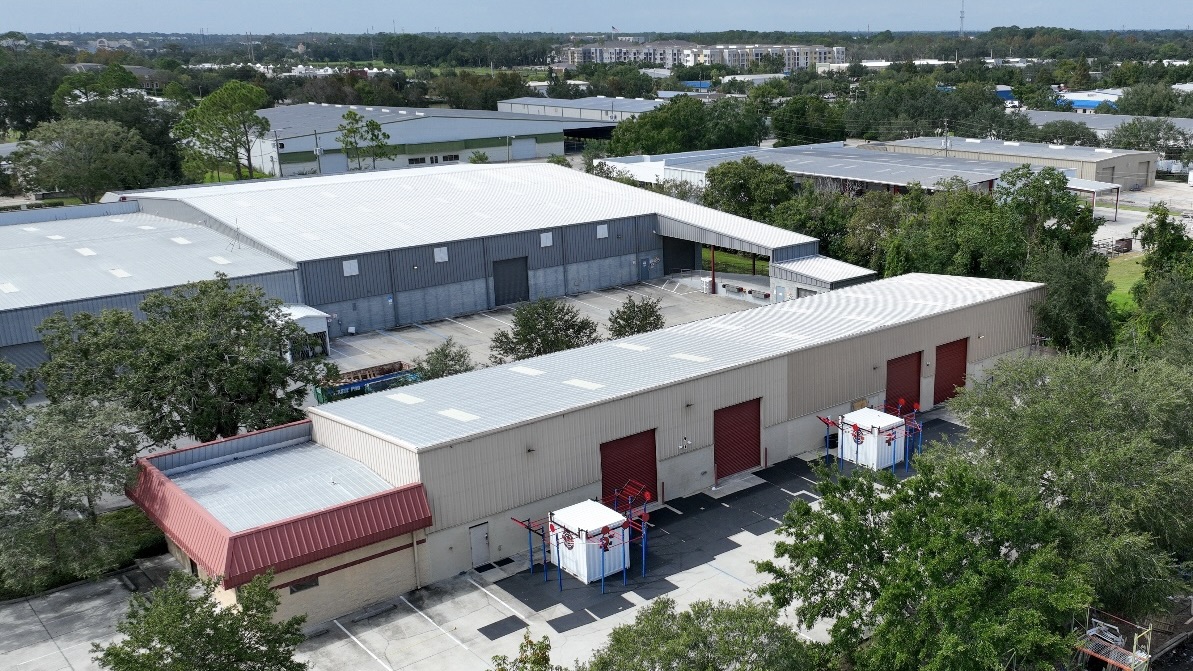
Condition Reporting in Austin, TX
- About
- Services
- All Services
- Built-Up Roofing Aust
- Commercial Roof Coatings Aust
- Commercial Roof Condition Reporting Aust
- Commercial Roof Inspections Aust
- Commercial Roof Leak Repair Aust
- Commercial Roof Maintenance Aust
- Commercial Roof Repair Aust
- Commercial Roof Replacement Aust
- Commercial Skylight Repair Aust
- EPDM Roofing Aust
- All Roof Systems
- Ballasted Roof Systems Aust
- Built-Up Roof (BUR) Systems Aust
- Cool Roof Systems Aust
- EPDM Roof Systems Aust
- Modified Bitumen Roof Systems Aust
- PVC Roof Systems Aust
- Silicone Roof Coating Systems Aust
- Spray Polyurethane Foam Roof Systems Aust
- Standing Seam Metal Roof Systems Aust
- TPO Roof Systems Aust
- All Industries
- EV Facility Roofing Aust
- Education Facility Roofing Aust
- Entertainment & Music Venue Roofing Aust
- Financial Services Roofing Aust
- Government Facility Roofing Aust
- Healthcare Roofing Aust
- Hospitality & Hotel Roofing Aust
- Logistics & Distribution Roofing Aust
- Semiconductor & Fab Roofing Aust
- Tech Campus Roofing Aust
- All Damage & Repair
- Fire Damage Roof Repair Aust
- Freeze Damage Roof Repair Aust
- Hail Damage Roof Repair Aust
- Insurance Claim Roof Documentation Aust
- Leak Damage Roof Repair Aust
- Storm Damage Roof Repair Aust
- Structural Roof Damage Assessment Aust
- Tornado Damage Roof Repair Aust
- Water Damage Roof Repair Aust
- Wind Damage Roof Repair Aust
- All Property Types
- Distribution Center Roofing Aust
- Manufacturing Facility Roofing Aust
- Medical Building Roofing Aust
- Multifamily Roofing Aust
- Office Building Roofing Aust
- Religious Building Roofing Aust
- Restaurant Roofing Aust
- Retail Roofing Aust
- School Roofing Aust
- Warehouse Roofing Aust
- All Capabilities
- Commercial Roof Condition Reports Aust
- Commercial Roof Inspections Aust
- Commercial Roof Moisture Surveys Aust
- Commercial Roof Zone Mapping Aust
- Competitive Bid Coordination
- Infrared Roof Scanning Aust
- Manufacturer Warranty Management
- Owner Rep Services — Commercial Roofing Aust
- Replacement vs. Recover Analysis Aust
- Roof Asset Management Aust
A condition report is the data layer under every honest roof capital decision. We walk the roof, pull cores where insulation condition is uncertain, document what we find, and deliver a written report that tells you exactly what you have.
A roof condition report is the starting point for any significant roofing decision — replacement, recover, coating, or continued maintenance. Without documented condition data, replacement decisions are based on visible surface appearance or the selling contractor's recommendation, and both of those inputs have predictable biases. A written condition report with core data, drain survey, and zone-by-zone ratings gives the building owner a defensible basis for capital decisions that a lender, insurer, or ownership partner can evaluate independently.
Austin's commercial real estate transaction market creates a recurring demand for condition reports: buyers performing due diligence on acquisition targets, lenders requiring roof condition documentation for commercial mortgage underwriting, and sellers producing pre-listing condition documentation to support asset pricing. Our condition reports are written to satisfy those third-party review requirements — they document methodology, include photo evidence keyed to a roof zone diagram, and provide remaining service life estimates with the assumptions that support them.
Condition reporting is also the foundation of ongoing asset management for building owners who want data rather than narratives. A systematic report taken every 24 months on a commercial building tracks the rate of condition change — which is more useful for capital planning than a single-point snapshot. A roof that degrades from condition tier 3 to tier 2 over 24 months is on a different capital trajectory than one that drops two tiers in the same period.
What a Condition Report Documents
The report starts with a building summary: address, building type, estimated roof age, roof area by zone, membrane type (confirmed by core or visual identification), insulation type (confirmed by core), and drain count and type. For buildings in the 78701 through 78753 zip codes where construction year and original specification may not be in the current building owner's records, the membrane and insulation identification from the core provides the factual baseline.
Zone-by-zone surface condition documentation covers: membrane surface condition (UV oxidation level, alligatoring on BUR, blistering, seam integrity on visible lap joints), ponding evidence (staining patterns, debris accumulation rings, drain condition), flashing condition at all penetrations (pipe boots, equipment curbs, HVAC duct penetrations, roof drains), parapet and coping condition (cap integrity, termination bar condition, through-wall flashing condition), and base flashing condition at all wall and parapet terminations.
Moisture core data — when included — reports the core location (keyed to zone diagram), the as-built assembly sequence at that location, whether the insulation is dry or wet (confirmed by field moisture meter and/or visual inspection), and approximate ply count on BUR systems. Core locations are selected to sample each zone and to target areas where surface condition or ponding evidence suggests elevated moisture probability. Core data is the most defensible element of the report for insurance and lending purposes.
Condition Tiers and Recommendations
We rate each zone on a four-tier scale: Tier 1 (no action required, estimated 10-plus years remaining service life), Tier 2 (monitor at next inspection, estimated 5 to 10 years remaining), Tier 3 (repair recommended within 12 months, estimated 3 to 5 years remaining without repair), and Tier 4 (repair or replacement required, system failure likely within 12 to 24 months or already in progress). The tier assignment is tied to specific observations — not to a general impression of the roof's appearance.
The recommendations section of the report specifies what action each Tier 3 and Tier 4 zone requires: drain clearing, penetration flashing repair, seam repair, targeted membrane replacement, or full system replacement. Each recommendation includes the specific condition observation that drives it. A recommendation without a documented observation is an opinion; a documented observation with a recommendation is a finding.
For Austin buildings undergoing due diligence, the report includes a remaining service life estimate for the full system and for each zone, with the assumptions stated: current condition tier, maintenance history (if known), membrane type, and Austin's climate factors (UV index, thermal cycling range, hail exposure by location). Remaining service life estimates are ranges, not point predictions — we do not represent certainty about roof system longevity that no one has.
Report Format and Third-Party Use
The standard condition report format includes: executive summary (one page covering overall condition tier and primary action items), building and roof system summary, zone-by-zone findings table with photos, core data table (if cores were pulled), drain survey results, and recommendations with prioritization and estimated action timeline. The photo log is keyed to a roof zone diagram using numbered callouts — each photo can be located on the diagram by the person reviewing the report without visiting the site.
For acquisition due diligence, we add a section that specifically addresses the warranty transfer status (whether the existing warranty is transferable to a new owner and on what terms) and the capital reserve adequacy question: given current condition and estimated remaining service life, is the existing capital reserve for roof replacement funded at a level appropriate to the building's condition trajectory.
Insurance documentation reports use the same format but add an event-specific section that distinguishes pre-existing condition from event-related damage in each zone. Austin's documented history of significant weather events — the June 2024 hail, the 2021 freeze, the Memorial Day 2015 and Halloween 2013 floods — makes event-segregation documentation important for commercial roof claims in Travis and Williamson County, where adjusters routinely question whether claimed damage is event-related or pre-existing.
How long does a commercial roof condition report take to produce in Austin?
The site visit for a standard single-building condition report on a roof up to 50,000 square feet takes two to four hours including core sampling. The written report is delivered within five business days of the site visit. For multi-building portfolio assessments across the Austin MSA — covering properties in Travis, Williamson, and Hays County — the site visits are sequenced over two to three days and reports are delivered in a batch within seven business days of the final site visit.
Is a condition report the same as a roof inspection?
A condition report is a documented, written output from a systematic inspection. An inspection visit without a written deliverable does not produce the condition record that lenders, insurers, and ownership partners need. When we refer to a condition report, we mean the written document with zone ratings, photo log, core data, and recommendations — not just a verbal assessment after a roof walk.
Can I use your condition report for my lender's property due diligence requirement?
Yes. Our condition reports are written to satisfy standard commercial mortgage underwriting requirements for roof condition documentation. We have produced reports that were accepted by national and regional lenders for Austin commercial properties along Congress Avenue, in the Domain submarket, and in the Williamson County industrial corridor. If your lender has a specific format requirement, share it with us before the site visit and we will confirm whether our standard format satisfies it or needs adaptation.
Order a written condition report for your Austin commercial building.
Site visit within five to ten business days, written report delivered within five business days of the visit. Core sampling available on any roof where insulation condition affects the capital decision.
- Commercial Roof Replacement
- Single Ply Roofing
- Standing Seam Metal Roofing
- Church Roofing
- Retail Roofing
- Commercial Roof Repair
- Healthcare Facility Roofing
- About
Leak points, drainage, seams, penetrations, edge metal, roof access, and interior risk should be clear before the next roof decision is priced.
Immediate repair, maintenance, coating, recover, and replacement choices should be measured against roof age, moisture risk, tenant disruption, and budget timing.
A site visit is useful when the owner needs a documented roof condition, active leak response, storm review, or a clearer capital plan.