
Ballasted Roof Systems in Austin, TX
- About
- Services
- All Services
- Built-Up Roofing Aust
- Commercial Roof Coatings Aust
- Commercial Roof Condition Reporting Aust
- Commercial Roof Inspections Aust
- Commercial Roof Leak Repair Aust
- Commercial Roof Maintenance Aust
- Commercial Roof Repair Aust
- Commercial Roof Replacement Aust
- Commercial Skylight Repair Aust
- EPDM Roofing Aust
- All Roof Systems
- Ballasted Roof Systems Aust
- Built-Up Roof (BUR) Systems Aust
- Cool Roof Systems Aust
- EPDM Roof Systems Aust
- Modified Bitumen Roof Systems Aust
- PVC Roof Systems Aust
- Silicone Roof Coating Systems Aust
- Spray Polyurethane Foam Roof Systems Aust
- Standing Seam Metal Roof Systems Aust
- TPO Roof Systems Aust
- All Industries
- EV Facility Roofing Aust
- Education Facility Roofing Aust
- Entertainment & Music Venue Roofing Aust
- Financial Services Roofing Aust
- Government Facility Roofing Aust
- Healthcare Roofing Aust
- Hospitality & Hotel Roofing Aust
- Logistics & Distribution Roofing Aust
- Semiconductor & Fab Roofing Aust
- Tech Campus Roofing Aust
- All Damage & Repair
- Fire Damage Roof Repair Aust
- Freeze Damage Roof Repair Aust
- Hail Damage Roof Repair Aust
- Insurance Claim Roof Documentation Aust
- Leak Damage Roof Repair Aust
- Storm Damage Roof Repair Aust
- Structural Roof Damage Assessment Aust
- Tornado Damage Roof Repair Aust
- Water Damage Roof Repair Aust
- Wind Damage Roof Repair Aust
- All Property Types
- Distribution Center Roofing Aust
- Manufacturing Facility Roofing Aust
- Medical Building Roofing Aust
- Multifamily Roofing Aust
- Office Building Roofing Aust
- Religious Building Roofing Aust
- Restaurant Roofing Aust
- Retail Roofing Aust
- School Roofing Aust
- Warehouse Roofing Aust
- All Capabilities
- Commercial Roof Condition Reports Aust
- Commercial Roof Inspections Aust
- Commercial Roof Moisture Surveys Aust
- Commercial Roof Zone Mapping Aust
- Competitive Bid Coordination
- Infrared Roof Scanning Aust
- Manufacturer Warranty Management
- Owner Rep Services — Commercial Roofing Aust
- Replacement vs. Recover Analysis Aust
- Roof Asset Management Aust
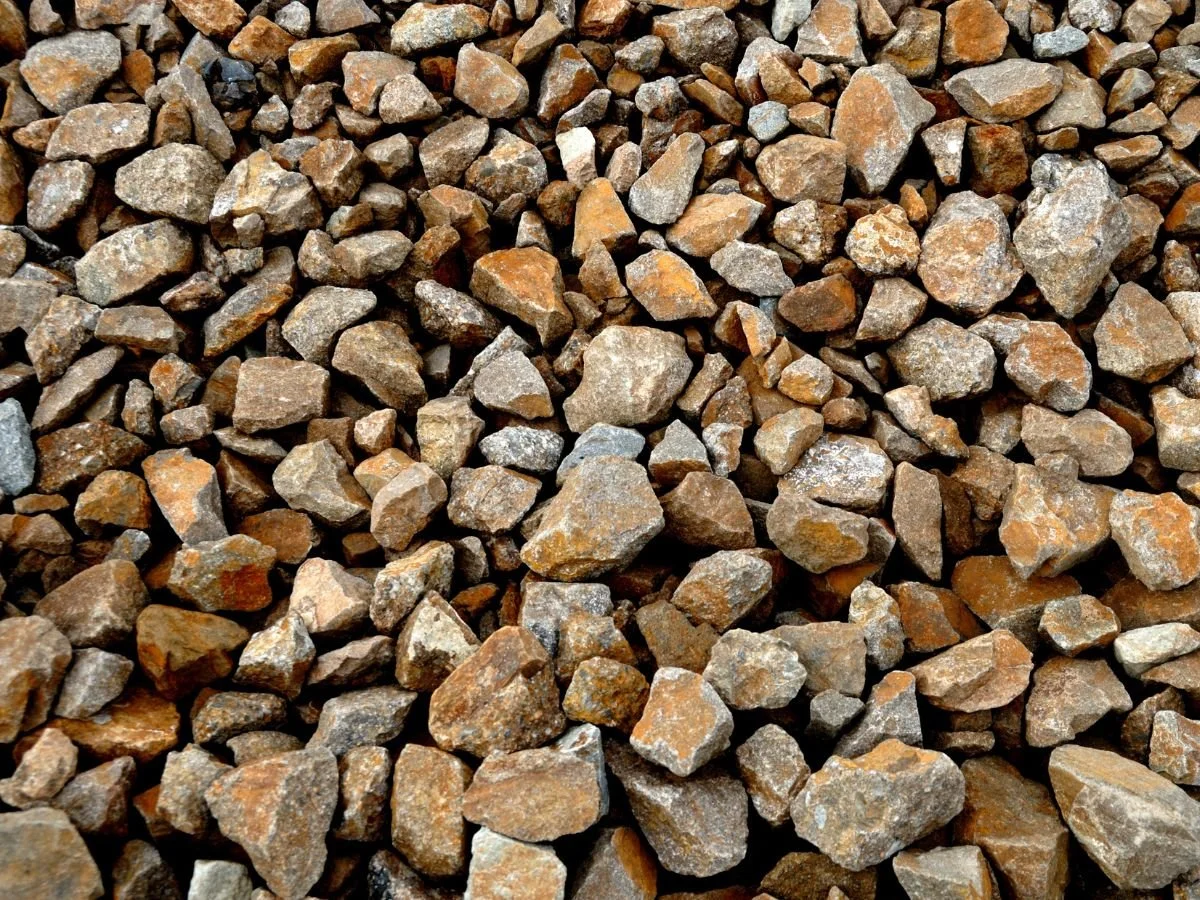
Ballasted single-ply — loose-laid EPDM or TPO held in place by river stone — is common on Austin commercial buildings built in the 1980s and 1990s. We assess these systems honestly: what is working, what is failing, and whether replacement should replicate or upgrade the ballasted approach.
Ballasted roofing was a widely specified commercial system from the late 1970s through the 1990s. The concept is straightforward: a loose-laid EPDM or, less commonly, early TPO membrane is placed over the insulation without mechanical attachment, then held in place by a layer of river stone — typically 1.5-inch washed stone at 10 to 12 pounds per square foot. The ballast eliminates the need for adhesive or mechanical fasteners in the field of the membrane, which was seen as a cost and quality-control advantage at the time.
Austin's older commercial inventory — the mid-rise office buildings east of MoPac along Shoal Creek, the warehouse and flex-industrial buildings along North Lamar and Burnet Road, and the older retail strips in the North Loop corridor — carries a meaningful ballasted EPDM install base from this era. These systems are now 25 to 40 years old and are at or past the typical service life of the membrane beneath the stone.
We rarely specify new ballasted systems on Austin commercial work. The reasons are practical: the stone ballast adds substantial dead load to the structure (10 to 12 lbs/sq ft of stone alone, plus the membrane and insulation), which may exceed the capacity of older Austin structures already managing roof-mounted HVAC equipment. Inspecting a ballasted roof requires moving stone to examine the membrane beneath — a labor-intensive and time-consuming process that drives up the cost of routine condition assessments. And in Austin's documented storm environment, hail impact on ballasted roofs can drive stone into the membrane and produce punctures that are invisible from the surface.
Assessing an Existing Ballasted Roof on an Austin Commercial Building
Assessing a ballasted EPDM system requires pulling back stone at representative locations to inspect the membrane beneath. We establish a sample grid — typically one inspection area per 2,000 sq ft on a suspect system — and remove stone to inspect membrane condition, seam integrity, and insulation condition at each location. Stone removal and replacement is a significant labor component of the assessment; the per-square cost of assessing a ballasted system is higher than assessing an exposed single-ply membrane.
The membrane failures we most commonly find on aging Austin ballasted EPDM systems are: seam separation at laps (the same failure mode as adhered EPDM, progressing from sealant degradation), punctures at stone contact points where heavy stone has abraded the membrane surface over 30-plus years of thermal cycling, and moisture infiltration at the perimeter where the ballast thins and the membrane is more exposed.
Insulation condition under a ballasted system is assessed by core sampling in the same locations where we pull stone for membrane inspection. Ballasted systems, paradoxically, can maintain better insulation moisture conditions than mechanically fastened systems in some respects — the loose-laid membrane allows minor vapor movement. However, when the membrane develops a seam failure or puncture and water infiltrates, it can travel laterally under the loose membrane before reaching the insulation, which means the wet insulation zone may not be directly beneath the visible seam problem.
Why We Rarely Specify New Ballasted Systems on Austin Projects
Dead load is the first constraint. A standard ballasted system adds 10 to 12 lbs/sq ft from stone alone, plus membrane and insulation. Many mid-century Austin commercial buildings — the target market for 1980s and 1990s ballasted installation — were designed to earlier code dead-load allowances that may not accommodate rooftop HVAC equipment plus ballasted stone without structural review. When we replace an aging ballasted system on an older building, we almost always conduct or recommend a structural review before specifying any recover that replicates the ballasted dead load.
Inspection cost over the life of the system is the second constraint. Ballasted systems require stone removal for any meaningful condition assessment or repair. The labor cost of moving and replacing stone on a large Austin commercial building over the 20 to 25 year life of the system accumulates to a significant figure relative to the cost savings at installation. A fully adhered or mechanically fastened membrane — inspectable from the surface without stone removal — produces lower lifetime assessment and maintenance cost.
Austin's hail exposure is the third constraint. Stone ballast on a EPDM membrane during a hail event converts to an impact medium: hailstone strikes the river stone, stone strikes the membrane, and the concentrated impact from the stone edge can puncture a membrane that would have survived the hail impact directly. This failure mode is documented in post-storm assessments. For a new commercial installation in Austin's hail corridor, a ballasted system is not the specification that produces the best post-storm outcome.
Replacing a Ballasted System on an Austin Commercial Building
Replacing a ballasted system starts with stone removal and disposal. A 50,000 sq ft roof with 12 lbs/sq ft of stone is 600,000 pounds of material to remove, stage, and dispose of. Stone disposal from a downtown Austin property or a building on a constrained urban lot requires a logistics plan — dumpster sizing, staging area, haul schedule — that is distinct from membrane-only tear-off disposal. We include ballast removal and disposal in the replacement scope explicitly rather than allowing it to surface as a change order.
After stone and membrane removal, deck inspection proceeds the same as on any tear-off project. Steel deck corroded from historic moisture infiltration under ballast is a common finding — the under-membrane environment on a 30-year-old ballasted system is humid and promotes corrosion at deck-to-insulation interfaces. Corroded deck that does not
The replacement system on most Austin ballasted-to-new conversions is fully adhered or mechanically fastened 60-mil or 80-mil TPO. The switch from ballasted to mechanically fastened eliminates the dead load of the stone and improves the building's wind-uplift performance — a loose-laid membrane held only by stone ballast has a defined wind-uplift limitation that a mechanically fastened system does not share. The building emerges from the project with a lighter, better-attached, and inspectable roof system.
Can ballasted stone be reused if I replace the membrane beneath it?
Technically yes, but practically rarely. To recover or replace the membrane beneath ballasted stone, the stone must be moved off the work area and staged — either on the roof in an adjacent zone, in a crane-offloaded stack on grade, or disposed of and replaced with new stone. Moving, staging, and reloading 600,000 pounds of river stone on a 50,000 sq ft roof is expensive. The economics rarely favor reuse over disposal and replacement when the full handling cost is included. We evaluate reuse versus disposal case by case based on site logistics.
Does Austin's wind environment make ballasted roofing riskier than other cities?
Austin's design wind speeds are not exceptional compared to coastal Texas markets. The ballasted system's wind vulnerability is more a function of stone weight, membrane type, and the specific edge detail than geographic location. Where Austin's climate creates a specific concern is at the roof perimeter — ballast thins at parapet edges and corners, and those edge zones are where wind uplift forces are highest. Edge displacement of ballast during high-wind events, even without full system failure, can expose the membrane perimeter to damage. We assess edge condition carefully on any aging ballasted system inspection.
Is the structural review required when replacing a ballasted roof?
It depends on what the replacement system adds or subtracts from dead load. If the replacement eliminates the stone ballast and replaces it with mechanically fastened single-ply — a net dead-load reduction — structural review may not be required and the permit may process as a standard re-roofing permit. If the replacement adds rooftop equipment or additional insulation beyond the code minimum, structural review is appropriate. We assess the dead-load change in the scope walk and flag any structural question before the permit application.
Get an assessment of your Austin ballasted roof and a replacement scope.
We will pull stone at sample locations to assess the membrane beneath, core the insulation, and give you a written scope that includes ballast removal and disposal logistics as part of the total project cost.
- EPDM Roof Systems
- PVC Roof Systems
- Modified Bitumen Systems
- Built Up Roof Systems
- Standing Seam Metal Systems
- Silicone Roof Coating
- Restaurant Roofing
- Commercial Roof Repair
Leak points, drainage, seams, penetrations, edge metal, roof access, and interior risk should be clear before the next roof decision is priced.
Immediate repair, maintenance, coating, recover, and replacement choices should be measured against roof age, moisture risk, tenant disruption, and budget timing.
A site visit is useful when the owner needs a documented roof condition, active leak response, storm review, or a clearer capital plan.