
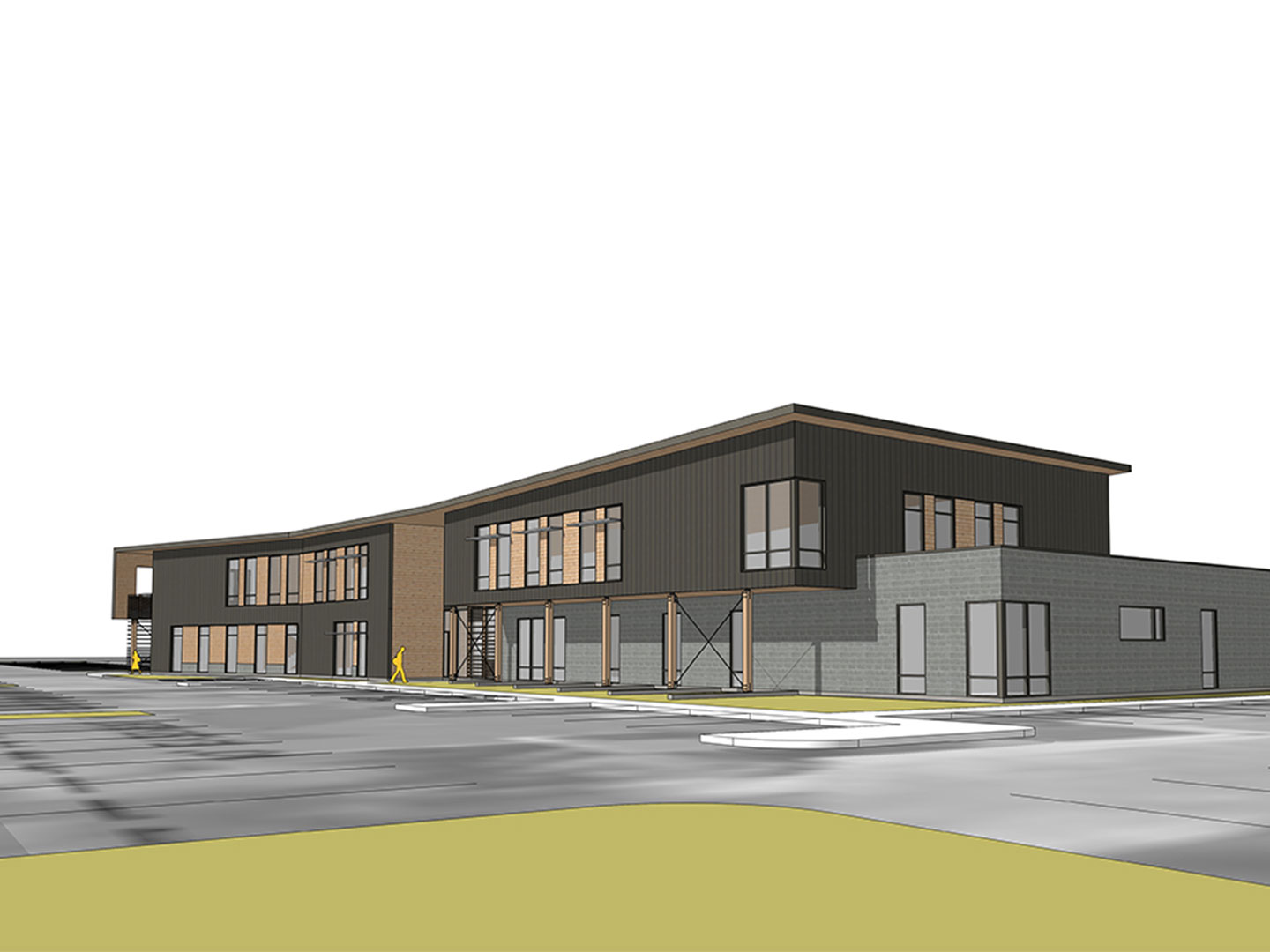
Healthcare Facility Roofing in Austin, TX
- About
- Services
- All Services
- Built-Up Roofing Aust
- Commercial Roof Coatings Aust
- Commercial Roof Condition Reporting Aust
- Commercial Roof Inspections Aust
- Commercial Roof Leak Repair Aust
- Commercial Roof Maintenance Aust
- Commercial Roof Repair Aust
- Commercial Roof Replacement Aust
- Commercial Skylight Repair Aust
- EPDM Roofing Aust
- All Roof Systems
- Ballasted Roof Systems Aust
- Built-Up Roof (BUR) Systems Aust
- Cool Roof Systems Aust
- EPDM Roof Systems Aust
- Modified Bitumen Roof Systems Aust
- PVC Roof Systems Aust
- Silicone Roof Coating Systems Aust
- Spray Polyurethane Foam Roof Systems Aust
- Standing Seam Metal Roof Systems Aust
- TPO Roof Systems Aust
- All Industries
- EV Facility Roofing Aust
- Education Facility Roofing Aust
- Entertainment & Music Venue Roofing Aust
- Financial Services Roofing Aust
- Government Facility Roofing Aust
- Healthcare Roofing Aust
- Hospitality & Hotel Roofing Aust
- Logistics & Distribution Roofing Aust
- Semiconductor & Fab Roofing Aust
- Tech Campus Roofing Aust
- All Damage & Repair
- Fire Damage Roof Repair Aust
- Freeze Damage Roof Repair Aust
- Hail Damage Roof Repair Aust
- Insurance Claim Roof Documentation Aust
- Leak Damage Roof Repair Aust
- Storm Damage Roof Repair Aust
- Structural Roof Damage Assessment Aust
- Tornado Damage Roof Repair Aust
- Water Damage Roof Repair Aust
- Wind Damage Roof Repair Aust
- All Property Types
- Distribution Center Roofing Aust
- Manufacturing Facility Roofing Aust
- Medical Building Roofing Aust
- Multifamily Roofing Aust
- Office Building Roofing Aust
- Religious Building Roofing Aust
- Restaurant Roofing Aust
- Retail Roofing Aust
- School Roofing Aust
- Warehouse Roofing Aust
- All Capabilities
- Commercial Roof Condition Reports Aust
- Commercial Roof Inspections Aust
- Commercial Roof Moisture Surveys Aust
- Commercial Roof Zone Mapping Aust
- Competitive Bid Coordination
- Infrared Roof Scanning Aust
- Manufacturer Warranty Management
- Owner Rep Services — Commercial Roofing Aust
- Replacement vs. Recover Analysis Aust
- Roof Asset Management Aust
Commercial roofing for hospitals, medical office buildings, surgical centers, and healthcare facilities throughout Austin, TX.
Austin's population growth over the past decade has driven one of the most aggressive healthcare infrastructure expansions in Texas. St. David's Medical Center and Ascension Seton's flagship campus on Medical Parkway form the core of Austin's central medical corridor, while the Domain area to the north has seen a proliferation of medical office buildings serving the tech industry employee base that now defines much of the city's demographics. Dell Seton Medical Center at The University of Texas, opened in 2017, represented a major investment in downtown acute care capacity, and the continued expansion of outpatient surgery centers, specialty clinics, and freestanding emergency rooms throughout Round Rock, Cedar Park, Pflugerville, and South Austin has created enormous demand for roofing contractors who understand the unique requirements of healthcare facility work.
Central Texas weather presents a specific and serious challenge for commercial roofing on medical facilities. Austin's climate sits at the intersection of Gulf moisture and continental air masses, producing intense convective storms that can deliver more than four inches of rain in a single afternoon. The February 2021 winter storm that crippled Texas infrastructure is a stark reminder of the extreme weather events that Austin facilities must also be prepared for—ice accumulation on flat roofs, frozen drain lines, and the massive water intrusion events that followed as facilities thawed added up to billions in damage statewide. Healthcare buildings that experienced roof failures during that event faced the dual crisis of facility damage and compromised patient care capacity during a public health emergency. Robust roofing systems and maintained drainage infrastructure are not luxury investments for Austin's hospitals—they are risk management necessities.
The Texas Medical Board and Joint Commission both create regulatory frameworks that govern construction activities at Austin's licensed healthcare facilities, and infection control during reroofing is a formal compliance requirement rather than a best practice suggestion. At Dell Seton and the St. David's campuses, reroofing above occupied units requires completion of a pre-construction Infection Control Risk Assessment, establishment of negative-pressure barriers at penetrations connecting the roof deck to occupied areas, and coordination with the facility's infection control officer throughout the project. Our project managers are trained in ICRA development and lead the coordination process, ensuring that infection control requirements are built into the project schedule rather than bolted on as an afterthought.
Austin's medical office building market is heavily concentrated along the RM 620, Mopac, and 183 corridors, where physician groups and health system outpatient facilities occupy buildings ranging from single-story urgent care clinics to five-story multispecialty complexes. Many of these buildings were constructed during Austin's 2000s growth wave with roofing systems that are now approaching end of service life, and their owners face decisions about replacement systems while managing the operational constraints of healthcare tenants who cannot easily suspend services during construction. We have developed a phased reroofing methodology specifically for occupied medical office buildings that allows complete membrane replacement one section at a time, maintaining weathertight conditions at all times and restricting noisy work to evenings and weekends when clinical operations are closed.
The complexity of medical gas systems, rooftop mechanical infrastructure, and specialized HVAC requirements on Austin's hospital campuses requires detailed pre-project surveying before any roofing proposal is meaningful. Dell Seton's rooftop, for example, carries medical gas risers, laboratory exhaust, emergency generator venting, and the complex HVAC infrastructure required by an academic medical center operating multiple intensive care units. Each of these systems requires custom flashing details engineered to maintain waterproofing integrity while accommodating the thermal movement, vibration, and access requirements of the equipment. We provide as-built documentation of all penetration flashings to UT Health Austin's facilities engineering team at the conclusion of any roofing project, supporting the campus-wide facilities documentation program.
Fire-rated roofing assemblies are a code requirement for many of Austin's healthcare facility types, and the Texas State Fire Marshal's office and local fire departments perform inspections that can cite facilities for non-compliant roof assemblies. We maintain documentation of the tested and listed assemblies we install, including UL listing numbers, combustibility classifications, and fire resistance ratings, and we provide this documentation package to facility managers for inclusion in their fire safety compliance files. For Ascension Seton's facilities, which are accredited by The Joint Commission, our documentation supports the life safety chapter of the accreditation survey preparation process.
Austin's assisted living sector has grown dramatically alongside the city's population, and the West Austin, Southwest Austin, and Georgetown corridors are now home to dozens of memory care and assisted living communities serving the region's expanding senior population. Many of these communities operate under Texas HHSC licensing with specific physical plant maintenance requirements, and water intrusion events that create mold growth in ceiling cavities above resident rooms create regulatory exposure that extends well beyond the repair cost. We approach assisted living reroofing with the same infection control rigor applied to acute care settings, and we coordinate with community directors to schedule work in ways that minimize noise and vibration impact on residents with dementia and other cognitive conditions.
The dental office market in Austin has been transformed by consolidation, with regional DSO (dental service organization) networks operating dozens of locations across the metro. These practices typically occupy storefront or professional office building spaces where the roofing is managed by a commercial landlord, but as DSOs acquire more standalone buildings, they are increasingly responsible for roofing maintenance decisions. A dental practice operating with exposed sterilization equipment or compromised infection control zones due to an overhead leak faces potential OSHA and state dental board exposure—and the DSOs managing Austin's growing dental networks have become sophisticated buyers of healthcare roofing services as a result.
Preventive maintenance programs are the most reliable defense against the water intrusion events that create patient safety, regulatory, and liability exposure for Austin healthcare operators. Our maintenance contracts for Austin facilities include inspection windows timed around the spring severe weather season and the fall transition, post-major-storm assessments, and the 24-hour emergency response commitment that healthcare operators require. We maintain our inspection records in formats compatible with the major facilities management platforms used by Austin's health systems, and we can deliver condition reports that satisfy the documentation requirements of healthcare REIT investors who own a growing share of Austin's medical office building inventory.
How can I tell if my Austin commercial building's BUR system needs replacement or just repair?
Surface condition alone is not sufficient to answer that question. Alligatoring, surface cracking, and blistering are visible indicators of stress but do not tell you whether the underlying insulation is compromised. Core sampling — pulling drill-cut plugs in five to ten locations across the roof — tells you ply count, asphalt condition through the thickness, and insulation moisture content. That data, combined with drain condition and flashing condition, gives an honest answer on repair versus replacement. We deliver the core data and our interpretation in writing; the building owner makes the capital decision.
Can a BUR roof be coated instead of replaced?
Silicone or acrylic coating over a BUR surface is viable when the system is dry, the surface is clean and primed correctly, and the drain and flashing conditions are sound. Coating a BUR roof with wet insulation or compromised flashings extends the asset's apparent condition without addressing the underlying failure — the coating will delaminate or bridge over wet zones within the first year. We assess before recommending coating; we do not coat roofs that need repair or replacement.
What is the typical cost difference between BUR repair and BUR replacement in Austin?
We do not publish price tables because the variables are too wide — roof size, existing assembly weight, deck condition, number of penetrations, and Austin-area landfill tipping fees all affect the number meaningfully. What we can say is that full BUR tear-off on a large aggregate-surfaced roof in Austin carries higher disposal costs per square than single-ply tear-off because of aggregate weight. We factor that into the recover-versus-replace economic analysis we provide in writing before any contract.
Get a written BUR condition assessment for your Austin building.
Our project managers will walk the roof, pull cores where necessary, and deliver a written report with our honest recommendation on repair, recover, or replacement.
- Hotel Roofing
- Drone Roof Inspection
- EPDM Roofing
- Drain Cleaning Repair
- Condition Reporting
- Mixed Use Roofing
- Roof Replacement Planning
- About
Leak points, drainage, seams, penetrations, edge metal, roof access, and interior risk should be clear before the next roof decision is priced.
Immediate repair, maintenance, coating, recover, and replacement choices should be measured against roof age, moisture risk, tenant disruption, and budget timing.
A site visit is useful when the owner needs a documented roof condition, active leak response, storm review, or a clearer capital plan.