
Multifamily and Apartment Building Roofing in Austin, TX
- About
- Services
- All Services
- Built-Up Roofing Aust
- Commercial Roof Coatings Aust
- Commercial Roof Condition Reporting Aust
- Commercial Roof Inspections Aust
- Commercial Roof Leak Repair Aust
- Commercial Roof Maintenance Aust
- Commercial Roof Repair Aust
- Commercial Roof Replacement Aust
- Commercial Skylight Repair Aust
- EPDM Roofing Aust
- All Roof Systems
- Ballasted Roof Systems Aust
- Built-Up Roof (BUR) Systems Aust
- Cool Roof Systems Aust
- EPDM Roof Systems Aust
- Modified Bitumen Roof Systems Aust
- PVC Roof Systems Aust
- Silicone Roof Coating Systems Aust
- Spray Polyurethane Foam Roof Systems Aust
- Standing Seam Metal Roof Systems Aust
- TPO Roof Systems Aust
- All Industries
- EV Facility Roofing Aust
- Education Facility Roofing Aust
- Entertainment & Music Venue Roofing Aust
- Financial Services Roofing Aust
- Government Facility Roofing Aust
- Healthcare Roofing Aust
- Hospitality & Hotel Roofing Aust
- Logistics & Distribution Roofing Aust
- Semiconductor & Fab Roofing Aust
- Tech Campus Roofing Aust
- All Damage & Repair
- Fire Damage Roof Repair Aust
- Freeze Damage Roof Repair Aust
- Hail Damage Roof Repair Aust
- Insurance Claim Roof Documentation Aust
- Leak Damage Roof Repair Aust
- Storm Damage Roof Repair Aust
- Structural Roof Damage Assessment Aust
- Tornado Damage Roof Repair Aust
- Water Damage Roof Repair Aust
- Wind Damage Roof Repair Aust
- All Property Types
- Distribution Center Roofing Aust
- Manufacturing Facility Roofing Aust
- Medical Building Roofing Aust
- Multifamily Roofing Aust
- Office Building Roofing Aust
- Religious Building Roofing Aust
- Restaurant Roofing Aust
- Retail Roofing Aust
- School Roofing Aust
- Warehouse Roofing Aust
- All Capabilities
- Commercial Roof Condition Reports Aust
- Commercial Roof Inspections Aust
- Commercial Roof Moisture Surveys Aust
- Commercial Roof Zone Mapping Aust
- Competitive Bid Coordination
- Infrared Roof Scanning Aust
- Manufacturer Warranty Management
- Owner Rep Services — Commercial Roofing Aust
- Replacement vs. Recover Analysis Aust
- Roof Asset Management Aust
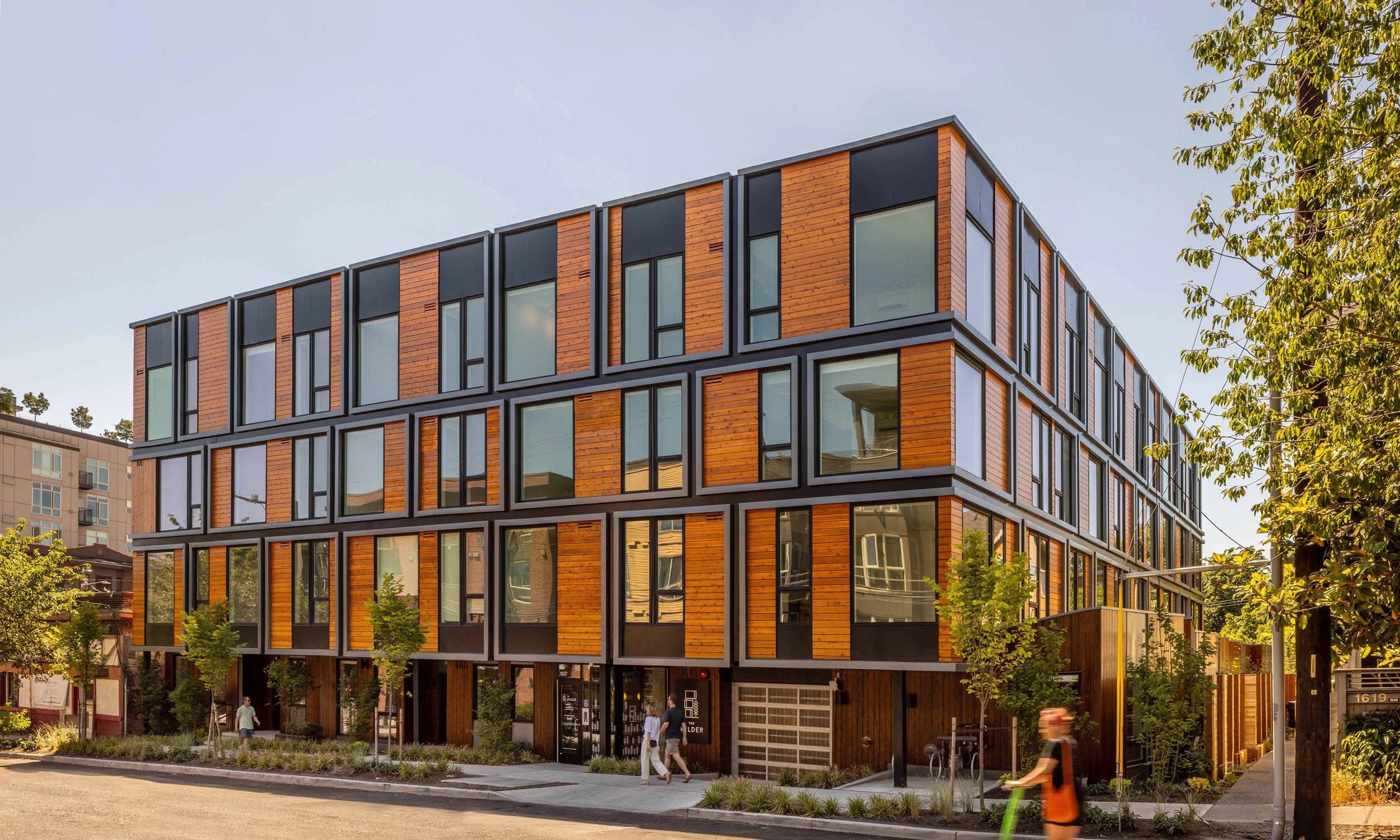
Roofing for apartment complexes, multifamily housing, and HOA-managed communities throughout Austin, TX.
The Alexan Republic Square and Domain NORTHSIDE residential communities — two of Austin's highest-profile luxury apartment projects anchoring the city's most active development corridors — along with the extensive Greystar and AvalonBay portfolios spanning the Mueller development, South Congress, and Round Rock suburban rings, represent the scale and sophistication of Austin's multifamily roofing market. Austin's explosive apartment construction boom over the past decade has created an enormous inventory of both new and aging buildings requiring specialized occupied-building roofing services.
Scheduling multifamily roofing in Austin must account for the city's extreme summer heat, which makes rooftop work hazardous for crews and creates noise and temperature disruption concerns for residents. Texas's workplace heat safety standards and OSHA heat illness prevention guidelines require rest, shade, and hydration protocols when ambient temperatures exceed 90°F — conditions that apply to Austin from approximately May through September. Most Austin multifamily roofing projects in this period begin at 6 or 6:30 AM and schedule the most intensive work before 11 AM, with afternoon hours reserved for detail work, cleanup, and staging. Residents benefit from the early start times by having most disruptive noise concentrated in morning hours before peak workday activities.
Property manager coordination in Austin's multifamily market reflects the city's dual character as both a technology hub with sophisticated institutional operators and a rapidly growing market that still includes many independent local operators. National platforms like Greystar, AvalonBay, and Lincoln Property bring standardized contractor management processes; local Austin developers and property managers often have faster decision cycles but less defined project management infrastructure. Contractors serving both segments need flexibility in their project management approach — more contractor-led guidance for local operators, more compliance-oriented process execution for institutional clients.
Fire-rated roof assembly requirements for Austin multifamily buildings follow the Texas Residential Code and IBC as adopted by the City of Austin. Austin's apartment construction boom has included a range of construction types — Type V wood-frame garden apartments in suburban corridors, Type III mid-rise buildings along South Congress and East Austin, and Type I concrete high-rises in the downtown and Domain areas. Each construction type carries different fire-rated assembly requirements, and re-roofing contractors working across Austin's diverse multifamily inventory must be fluent in identifying applicable assembly classifications and confirming that specified systems maintain compliance.
Balcony and deck waterproofing in Austin's climate presents the same masking-effect challenge as in other dry southern markets. Austin's low humidity — particularly from June through September before monsoon moisture arrives — means that developing deck membrane failures can go months without creating noticeable interior symptoms. Texas's increasingly active multifamily inspection environment, combined with liability exposure from balcony structural failures documented in national news coverage, has motivated many Austin property managers to implement annual deck waterproofing inspection programs rather than reactive repair cycles.
Resident notice procedures for Austin multifamily roofing follow Texas property code requirements and the lease agreement terms that major Austin operators have standardized. Most Austin institutional operators require 24-to-48-hour written advance notice before any work affecting a specific building begins, with building-specific project schedules posted in common areas and distributed digitally through resident portal systems. Austin's substantial Spanish-speaking, Chinese, Korean, and South Asian resident populations make multilingual notice communication a standard professional practice for property managers in the city's most diverse apartment communities.
Insurance claim handling for Austin apartment communities is driven primarily by the spring severe weather season — March through May — when Texas's position in hail alley brings the most frequent and severe hailstorms affecting the Austin metro. The 2023 and 2024 spring hail seasons produced significant damage across multiple Austin apartment communities, and the claims management process — from initial drone documentation through scope agreement with adjusters to contractor mobilization for repairs — is well-understood by the established Austin commercial roofing firms that specialize in multifamily insurance restoration work.
Phased replacement planning for Austin's large suburban apartment communities — the 300-to-600-unit garden-style complexes in Round Rock, Cedar Park, Pflugerville, and the 183 Tech Corridor — is a common capital planning engagement. Austin's rental market premium motivates investors to maintain properties at competitive quality levels, and a documented phased roofing replacement plan that demonstrates investor commitment to ongoing capital maintenance is a positive signal in Austin's active multifamily transaction market, where well-maintained communities trade at premium cap rates.
Heat-related roofing performance considerations are particularly acute for Austin multifamily properties with occupied units directly below the roof deck. Austin's 100°F+ summer conditions mean that an underinsulated or low-reflectance roof assembly creates radiant heat gain that can make top-floor units uncomfortably hot, increasing resident complaints, air conditioning costs, and ultimately tenant turnover. Austin property managers who upgrade to white TPO membranes and above-code insulation as part of re-roofing projects consistently report improved top-floor resident satisfaction scores and reduced summer maintenance complaint volumes.
How can I tell if my Austin commercial building's BUR system needs replacement or just repair?
Surface condition alone is not sufficient to answer that question. Alligatoring, surface cracking, and blistering are visible indicators of stress but do not tell you whether the underlying insulation is compromised. Core sampling — pulling drill-cut plugs in five to ten locations across the roof — tells you ply count, asphalt condition through the thickness, and insulation moisture content. That data, combined with drain condition and flashing condition, gives an honest answer on repair versus replacement. We deliver the core data and our interpretation in writing; the building owner makes the capital decision.
Can a BUR roof be coated instead of replaced?
Silicone or acrylic coating over a BUR surface is viable when the system is dry, the surface is clean and primed correctly, and the drain and flashing conditions are sound. Coating a BUR roof with wet insulation or compromised flashings extends the asset's apparent condition without addressing the underlying failure — the coating will delaminate or bridge over wet zones within the first year. We assess before recommending coating; we do not coat roofs that need repair or replacement.
What is the typical cost difference between BUR repair and BUR replacement in Austin?
We do not publish price tables because the variables are too wide — roof size, existing assembly weight, deck condition, number of penetrations, and Austin-area landfill tipping fees all affect the number meaningfully. What we can say is that full BUR tear-off on a large aggregate-surfaced roof in Austin carries higher disposal costs per square than single-ply tear-off because of aggregate weight. We factor that into the recover-versus-replace economic analysis we provide in writing before any contract.
Get a written BUR condition assessment for your Austin building.
Our project managers will walk the roof, pull cores where necessary, and deliver a written report with our honest recommendation on repair, recover, or replacement.
- Retail Roofing
- Solar Roof Integration
- Commercial Roof Maintenance
- Parapet Wall Repair
- Roof Asset Management Program
- Government Building Roofing
- Roof Recover Systems
- About
Leak points, drainage, seams, penetrations, edge metal, roof access, and interior risk should be clear before the next roof decision is priced.
Immediate repair, maintenance, coating, recover, and replacement choices should be measured against roof age, moisture risk, tenant disruption, and budget timing.
A site visit is useful when the owner needs a documented roof condition, active leak response, storm review, or a clearer capital plan.