
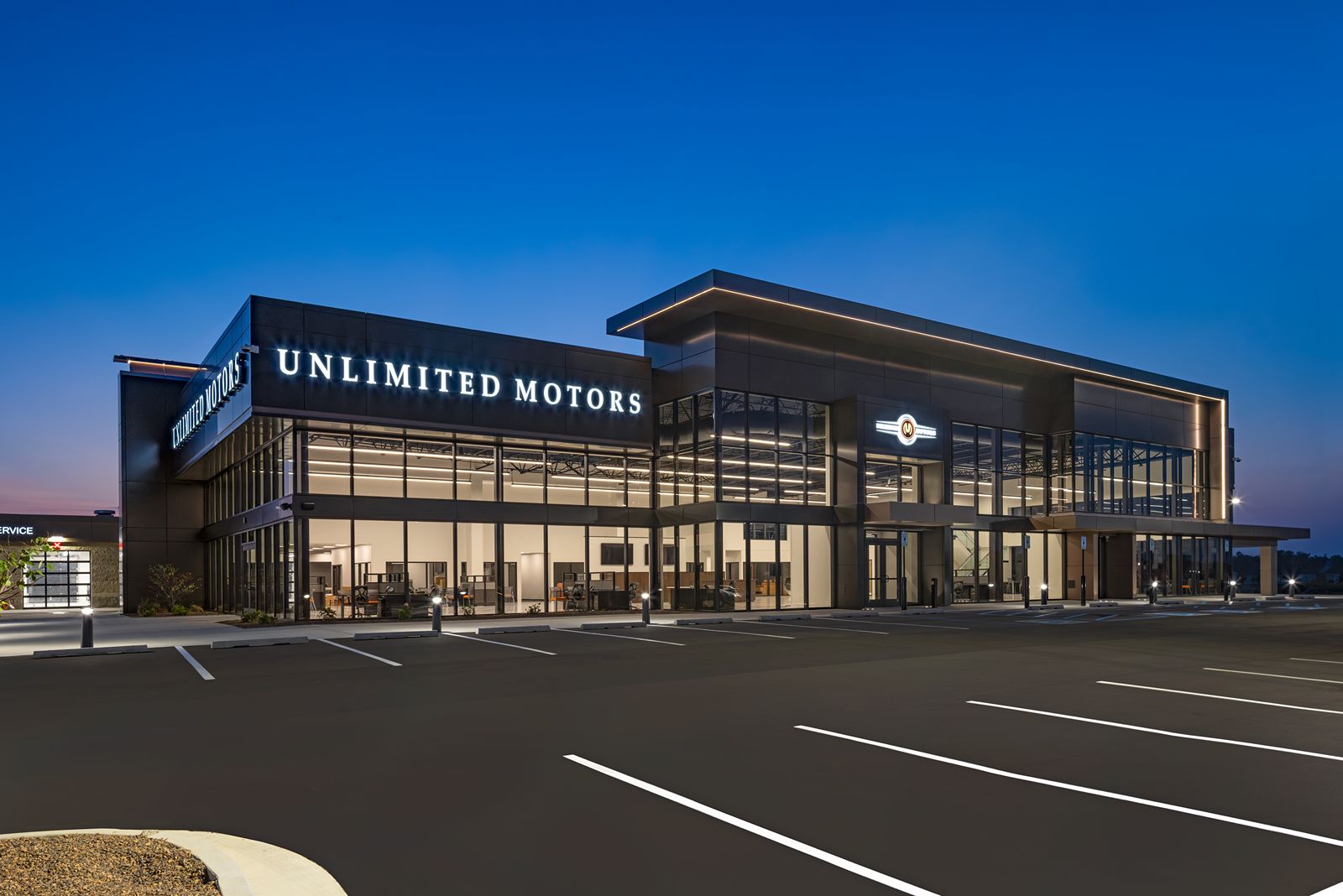
Auto Dealership Roofing in Austin, TX
- About
- Services
- All Services
- Built-Up Roofing Aust
- Commercial Roof Coatings Aust
- Commercial Roof Condition Reporting Aust
- Commercial Roof Inspections Aust
- Commercial Roof Leak Repair Aust
- Commercial Roof Maintenance Aust
- Commercial Roof Repair Aust
- Commercial Roof Replacement Aust
- Commercial Skylight Repair Aust
- EPDM Roofing Aust
- All Roof Systems
- Ballasted Roof Systems Aust
- Built-Up Roof (BUR) Systems Aust
- Cool Roof Systems Aust
- EPDM Roof Systems Aust
- Modified Bitumen Roof Systems Aust
- PVC Roof Systems Aust
- Silicone Roof Coating Systems Aust
- Spray Polyurethane Foam Roof Systems Aust
- Standing Seam Metal Roof Systems Aust
- TPO Roof Systems Aust
- All Industries
- EV Facility Roofing Aust
- Education Facility Roofing Aust
- Entertainment & Music Venue Roofing Aust
- Financial Services Roofing Aust
- Government Facility Roofing Aust
- Healthcare Roofing Aust
- Hospitality & Hotel Roofing Aust
- Logistics & Distribution Roofing Aust
- Semiconductor & Fab Roofing Aust
- Tech Campus Roofing Aust
- All Damage & Repair
- Fire Damage Roof Repair Aust
- Freeze Damage Roof Repair Aust
- Hail Damage Roof Repair Aust
- Insurance Claim Roof Documentation Aust
- Leak Damage Roof Repair Aust
- Storm Damage Roof Repair Aust
- Structural Roof Damage Assessment Aust
- Tornado Damage Roof Repair Aust
- Water Damage Roof Repair Aust
- Wind Damage Roof Repair Aust
- All Property Types
- Distribution Center Roofing Aust
- Manufacturing Facility Roofing Aust
- Medical Building Roofing Aust
- Multifamily Roofing Aust
- Office Building Roofing Aust
- Religious Building Roofing Aust
- Restaurant Roofing Aust
- Retail Roofing Aust
- School Roofing Aust
- Warehouse Roofing Aust
- All Capabilities
- Commercial Roof Condition Reports Aust
- Commercial Roof Inspections Aust
- Commercial Roof Moisture Surveys Aust
- Commercial Roof Zone Mapping Aust
- Competitive Bid Coordination
- Infrared Roof Scanning Aust
- Manufacturer Warranty Management
- Owner Rep Services — Commercial Roofing Aust
- Replacement vs. Recover Analysis Aust
- Roof Asset Management Aust
Commercial roofing for auto dealerships, car lots, service centers, and automotive facilities throughout Austin, TX.
Covert Automotive Group operates one of Austin's largest multi-franchise dealership networks, with Chevrolet, Buick, Ford, and other brand locations spread across the city's rapidly expanding metropolitan area. Austin's auto dealership market has grown dramatically alongside the city's population, and dealer groups like Covert have invested heavily in facility upgrades to meet OEM standards and attract the technology-industry consumers who have become a major portion of the Austin market. Roofing these facilities in Austin means managing Texas's extreme climate demands alongside the operational requirements of a high-revenue business that cannot pause for building maintenance.
Austin's intense summer heat creates the most demanding thermal environment for auto dealership roofing in Texas's interior markets. Service department roofs with dark membranes can reach 185°F surface temperature in July, and the HVAC systems fighting to maintain comfortable working conditions for technicians are working against a massive radiative heat source just above their heads. Cool roof specifications — white TPO is the dominant specification in the Austin dealership market — reduce peak roof surface temperatures by 60–80°F, improving both HVAC efficiency and membrane service life simultaneously. Texas energy code and Austin Energy's commercial programs both incentivize this approach.
The Winter Storm Uri freeze event in February 2021 exposed vulnerabilities in Austin dealership roofing systems that had never been stress-tested for subfreezing conditions. Pipe boot flashings cracked, drain bodies froze solid, and membranes that remained flexible in Austin's normal temperature range became brittle and failed at seam locations. Dealers who experienced roof damage during Uri have since specified cold-weather-rated membranes, freeze-resistant drain systems, and seam formulations rated for temperatures well below what Austin historically needed to plan for. The lesson was expensive, but the Austin commercial roofing community has incorporated it into standard practice.
Service department skylights in Austin face year-round UV intensity, with over 225 days of sunshine per year in Central Texas. Skylight frame sealants degrade faster in Austin's UV environment than in most other Texas cities, and the thermal cycling between Austin's hot summers and its occasional winter cold snaps creates movement stress at frame joints. Covert and other Austin dealer groups that have built or significantly renovated their service facilities in the post-2015 period typically specify commercial-grade skylights with thermally broken frames and UV-stable glazing, reducing the maintenance burden compared to older skylight designs that required more frequent resealing.
Austin's rapid growth has created significant permitting complexity for commercial roofing projects. The city's development permitting office handles a large volume of applications, and review timelines for commercial roofing permits can extend to four to six weeks during peak periods. Dealer groups planning major re-roofing campaigns need to build permit lead time into their project schedules, particularly when coordinating with OEM-mandated facility upgrade timelines that have their own completion deadlines. Contractors who are familiar with Austin's permitting process and who have established relationships with the city's plan review staff can often navigate the process more efficiently than those who are new to the market.
Parts and paint operations at Austin dealerships run in a climate where summer heat and humidity combine with solvent vapors to create particularly aggressive conditions for roof assemblies above these spaces. Austin's proximity to the Gulf moisture stream means that humidity can spike unexpectedly during spring and early summer, even in what is typically a relatively dry inland city. Vapor management from below and chemical resistance from above are both design considerations for Austin dealership parts and paint roof sections, and contractors should discuss these requirements explicitly with dealers who have experienced premature membrane failures in these areas.
Austin hail season — peaking in March through June — creates real building damage risk for dealerships that is sometimes secondary in dealers' minds to the vehicle inventory exposure. A Travis County hail event in a recent spring season caused millions in roofing damage across the Austin metro in addition to the auto inventory losses that drew more media attention. Dealers should have a roofing condition documentation protocol that is triggered by any hail event, and the commercial property insurance claim should be filed and documented with the same urgency as the inventory claim.
Service lane canopy roofing at Austin dealerships must withstand both the extreme heat that degrades flat-roof systems and the high-wind events associated with severe Texas thunderstorms. Metal panel systems with concealed fasteners are appropriate for Austin service lane canopies, providing thermal durability and wind resistance superior to flat membrane systems. The connection between the service lane canopy and the main building wall requires flexible flashings that accommodate thermal movement — in Austin's climate, the differential thermal movement between a metal panel canopy and a TPO membrane main roof can be substantial over a seasonal cycle.
Austin's commercial roofing contractor market has expanded rapidly alongside the city's construction boom, and dealer groups face the challenge of evaluating contractors of widely varying experience and qualifications. Covert Automotive and similar major dealer groups have developed preferred contractor relationships based on track records of successful Austin dealership projects. Dealers who are evaluating contractors for the first time should focus on Austin-specific experience: familiarity with Texas energy code, post-Uri cold-weather provisions, hail response protocols, and the coordination demands of active service department operations.
How can I tell if my Austin commercial building's BUR system needs replacement or just repair?
Surface condition alone is not sufficient to answer that question. Alligatoring, surface cracking, and blistering are visible indicators of stress but do not tell you whether the underlying insulation is compromised. Core sampling — pulling drill-cut plugs in five to ten locations across the roof — tells you ply count, asphalt condition through the thickness, and insulation moisture content. That data, combined with drain condition and flashing condition, gives an honest answer on repair versus replacement. We deliver the core data and our interpretation in writing; the building owner makes the capital decision.
Can a BUR roof be coated instead of replaced?
Silicone or acrylic coating over a BUR surface is viable when the system is dry, the surface is clean and primed correctly, and the drain and flashing conditions are sound. Coating a BUR roof with wet insulation or compromised flashings extends the asset's apparent condition without addressing the underlying failure — the coating will delaminate or bridge over wet zones within the first year. We assess before recommending coating; we do not coat roofs that need repair or replacement.
What is the typical cost difference between BUR repair and BUR replacement in Austin?
We do not publish price tables because the variables are too wide — roof size, existing assembly weight, deck condition, number of penetrations, and Austin-area landfill tipping fees all affect the number meaningfully. What we can say is that full BUR tear-off on a large aggregate-surfaced roof in Austin carries higher disposal costs per square than single-ply tear-off because of aggregate weight. We factor that into the recover-versus-replace economic analysis we provide in writing before any contract.
Get a written BUR condition assessment for your Austin building.
Our project managers will walk the roof, pull cores where necessary, and deliver a written report with our honest recommendation on repair, recover, or replacement.
- Self Storage Roofing
- University Campus Roofing
- Commercial Roof Replacement
- Single Ply Roofing
- Standing Seam Metal Roofing
- Multifamily Roofing
- Skylight Repair
- About
Leak points, drainage, seams, penetrations, edge metal, roof access, and interior risk should be clear before the next roof decision is priced.
Immediate repair, maintenance, coating, recover, and replacement choices should be measured against roof age, moisture risk, tenant disruption, and budget timing.
A site visit is useful when the owner needs a documented roof condition, active leak response, storm review, or a clearer capital plan.