
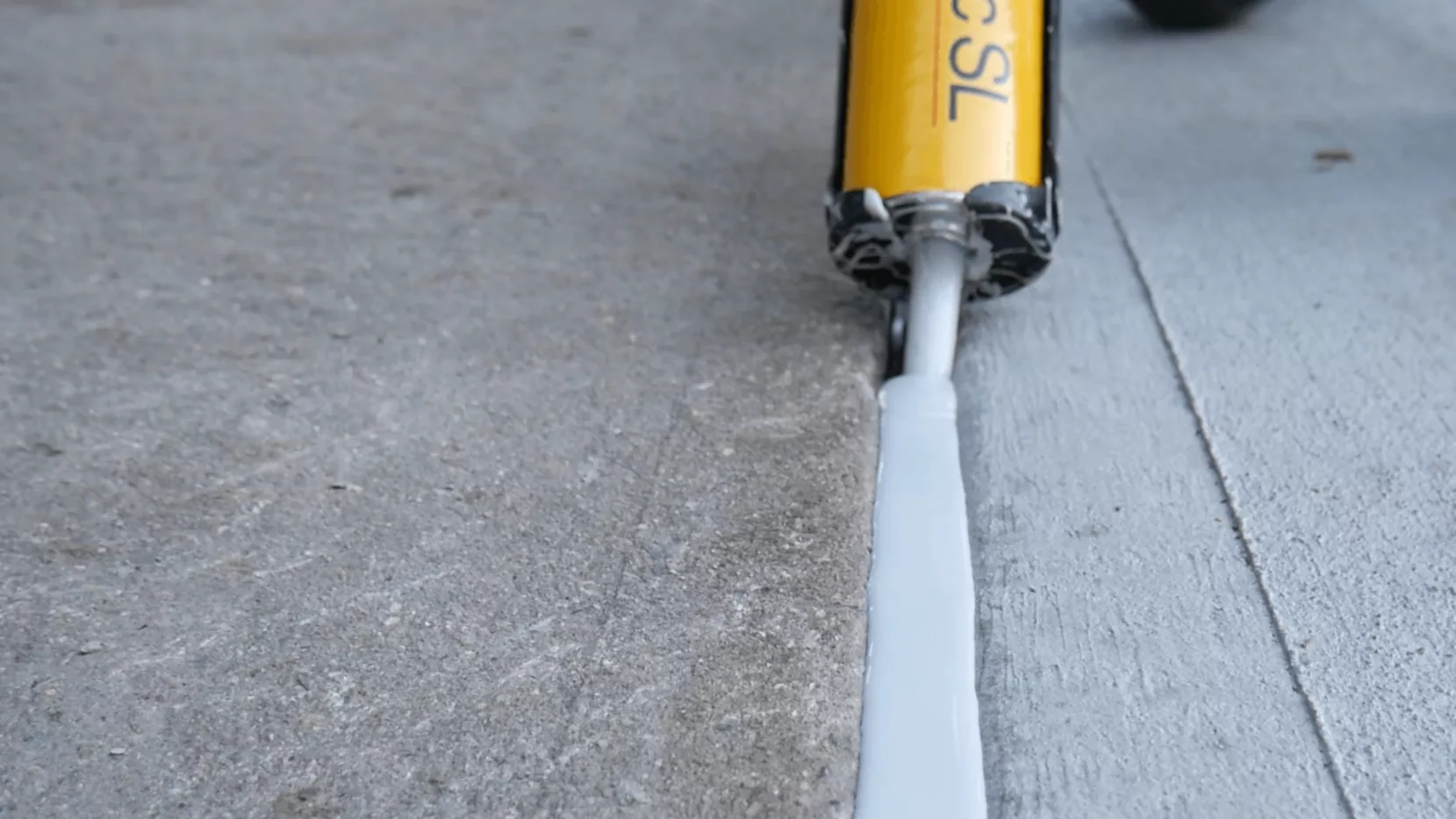
Expansion Joint Repair in Austin, TX
- About
- Services
- All Services
- Built-Up Roofing Aust
- Commercial Roof Coatings Aust
- Commercial Roof Condition Reporting Aust
- Commercial Roof Inspections Aust
- Commercial Roof Leak Repair Aust
- Commercial Roof Maintenance Aust
- Commercial Roof Repair Aust
- Commercial Roof Replacement Aust
- Commercial Skylight Repair Aust
- EPDM Roofing Aust
- All Roof Systems
- Ballasted Roof Systems Aust
- Built-Up Roof (BUR) Systems Aust
- Cool Roof Systems Aust
- EPDM Roof Systems Aust
- Modified Bitumen Roof Systems Aust
- PVC Roof Systems Aust
- Silicone Roof Coating Systems Aust
- Spray Polyurethane Foam Roof Systems Aust
- Standing Seam Metal Roof Systems Aust
- TPO Roof Systems Aust
- All Industries
- EV Facility Roofing Aust
- Education Facility Roofing Aust
- Entertainment & Music Venue Roofing Aust
- Financial Services Roofing Aust
- Government Facility Roofing Aust
- Healthcare Roofing Aust
- Hospitality & Hotel Roofing Aust
- Logistics & Distribution Roofing Aust
- Semiconductor & Fab Roofing Aust
- Tech Campus Roofing Aust
- All Damage & Repair
- Fire Damage Roof Repair Aust
- Freeze Damage Roof Repair Aust
- Hail Damage Roof Repair Aust
- Insurance Claim Roof Documentation Aust
- Leak Damage Roof Repair Aust
- Storm Damage Roof Repair Aust
- Structural Roof Damage Assessment Aust
- Tornado Damage Roof Repair Aust
- Water Damage Roof Repair Aust
- Wind Damage Roof Repair Aust
- All Property Types
- Distribution Center Roofing Aust
- Manufacturing Facility Roofing Aust
- Medical Building Roofing Aust
- Multifamily Roofing Aust
- Office Building Roofing Aust
- Religious Building Roofing Aust
- Restaurant Roofing Aust
- Retail Roofing Aust
- School Roofing Aust
- Warehouse Roofing Aust
- All Capabilities
- Commercial Roof Condition Reports Aust
- Commercial Roof Inspections Aust
- Commercial Roof Moisture Surveys Aust
- Commercial Roof Zone Mapping Aust
- Competitive Bid Coordination
- Infrared Roof Scanning Aust
- Manufacturer Warranty Management
- Owner Rep Services — Commercial Roofing Aust
- Replacement vs. Recover Analysis Aust
- Roof Asset Management Aust
Expansion joints accommodate structural building movement — when they fail, the roof membrane breaches at the highest-stress point in the system. We assess, document, and repair commercial expansion joint systems from the foundation up.
Expansion joints are engineered into commercial buildings to allow adjacent structural sections to move independently — thermal expansion, differential settlement, and seismic drift all generate relative movement between building sections that the structure cannot absorb without cracking if it is built as a rigid monolith. On a commercial flat roof, the expansion joint appears as a gap in the roof deck, covered by a prefabricated metal or membrane expansion joint cover that bridges the gap while allowing movement.
Austin's geology adds a specific context to building movement. The Edwards Plateau limestone and the transition to the Black Prairie soils east of the Balcones Escarpment produce differential foundation movement in structures built across both geologic zones — a condition relevant to larger commercial buildings in the East Austin and Del Valle corridors where the geologic transition falls within the building footprint. Even within the stable limestone zone, Austin's multi-decade drought cycles cause shrink-swell movement in the clay lens layers that interrupt the limestone. Buildings in the 78744, 78745, and 78741 zip codes on the south side are particularly prone to long-term foundation movement that challenges expansion joint covers designed for normal thermal movement only.
When expansion joint covers fail — the metal cover separates from its attachment at the joint edge, or the membrane bridging element tears — water has unobstructed access to the widest gap in the roof system. The interior stain from an expansion joint failure is typically a linear water trail running across the ceiling below the joint, or multiple stains in a pattern that follows the structural grid.
Expansion Joint Failure Modes We Address
Metal cover separation: Prefabricated metal expansion joint covers — typically aluminum or stainless steel — attach to the roof surface on both sides of the joint gap. The attachment method allows the cover to slide or flex as the joint opens and closes. When the attachment fails — fasteners pull out of a deteriorated substrate, or the clamp bar corrodes — the metal cover lifts at the edge during thermal contraction cycles and admits water. We re-anchor metal cover assemblies where the substrate is sound, or replace them where the substrate deterioration is the root cause.
Membrane bridging element failure: Some commercial expansion joint systems use a membrane bridging element — a loop of EPDM or TPO that spans the gap and attaches to the field membrane on each side. The membrane loop accommodates joint movement by extending and contracting. When the membrane attachment to the field system degrades or when the membrane loop itself has UV-degraded beyond elastic recovery, the bridging element tears during joint movement and opens a breach. Membrane bridging element replacement requires compatible membrane materials and proper attachment to the field system on both sides.
Overflow and ponding at the joint: Expansion joints run across the full width of the roof, which means they intersect every drainage path on the roof. When the joint cover creates a slight dam — common on older metal cover designs with raised center sections — water ponds at the joint under low-drainage conditions. Standing water at the joint accelerates all other failure mechanisms. We assess joint cover elevation relative to the adjacent field membrane and recommend cover redesign or elevation adjustment where ponding is a documented condition.
Expansion joint assessment walks the full length of each joint on the roof — not just the section above the interior stain. Joint covers that appear intact can have internal bridging element failures that are not visible from above without probing or partial disassembly. We probe the joint cover edge at regular intervals to check attachment integrity and lift the center section where accessible to assess the bridging element and the joint gap width.
Gap width measurement is a required data point in any expansion joint repair scope. The joint gap width at the time of assessment reflects the current thermal state of the building — on a 90°F Austin summer day, the joint is at or near its minimum width (building sections expanded toward each other). The design maximum gap width is typically documented in the original structural drawings. If the current gap is already at or near design maximum in an expanded state, the cover design needs to account for additional contraction movement that a standard replacement cover may not accommodate.
For buildings with documented foundation movement history — a common finding on South Austin commercial buildings in the clay-soil transition zone — we document the joint gap width and the joint cover condition with reference to the building's foundation movement history if that record is available. Expansion joint covers on buildings with active differential settlement require higher-movement-accommodation designs than standard thermal-movement covers.
Prefabricated cover replacement: We source prefabricated expansion joint covers from commercial roofing accessory manufacturers who produce units rated for the specific movement range and joint width of the installation. For Austin commercial buildings, we specify covers rated for a minimum 50% movement accommodation relative to the joint's closed width — sufficient for the thermal range of 38°F winter low to 105°F summer high that Austin commercial buildings experience. For buildings with known foundation movement, we specify higher accommodation ratings.
Membrane system integration: The cover attachment on both sides of the joint connects to the field membrane system. New cover installation on a TPO roof uses TPO membrane to tie the cover flange to the field membrane; on an EPDM roof, EPDM. The tie-in is welded or fully adhered depending on the membrane system. We do not use mechanical fastener-only tie-in on the membrane attachment — it produces point-load membrane stress that fails at the fastener during joint movement.
Post-repair verification: After installation, we probe the full cover attachment on both sides of the joint and verify that the center bridging element is seated correctly with no tension in the neutral position. The cover should be able to accommodate the design movement range without imposing tension on the membrane tie-in at any point in its travel. We document the installation with photos before and after and deliver a written closeout report.
How do I know if my building has expansion joints that need repair?
The visual indicators on a commercial roof are: a prefabricated metal or rubber-neoprene cover strip running across the roof in a straight line, typically 8 to 24 inches wide. From inside the building, expansion joints appear as a gap in the ceiling grid, usually covered with a flexible cover strip. If you see a linear water stain on the ceiling that runs parallel to the building's structural grid rather than following a slope or drain path, an expansion joint failure is a primary suspect.
Can expansion joint cover replacement be done without a full roof replacement?
Yes. Expansion joint cover replacement is a standalone scope when the field membrane on both sides of the joint is otherwise sound. We assess field membrane condition in the zone adjacent to each joint as part of the expansion joint repair walk. If the field membrane in the immediate joint zone has been compromised by the joint failure — water intrusion under the membrane at the joint attachment — that membrane section may need to be addressed concurrently with the cover replacement.
Do Austin's foundation conditions affect expansion joint specifications?
Yes, particularly for commercial buildings in the Black Prairie soil zone east of the Balcones Escarpment — the South Congress to Ben White corridor, East Riverside, and the Del Valle area where the Tesla Gigafactory Texas site is located. Clay-soil shrink-swell movement can impose drift on expansion joints above the thermal movement range the cover was designed for. For buildings in this zone, we verify the existing cover's movement accommodation rating and specify replacements with higher movement range when the current rating appears undersized for the building's actual movement history.
Schedule an expansion joint assessment for your Austin commercial building.
We document the full joint length, measure gap width, assess cover condition, and deliver a written repair scope with cost estimate within five business days.
- Healthcare Facility Roofing
- Roof Recover Overlay
- Emergency Roof Repair
- Hail Damage Roof Repair Service
- Roof Replacement Planning
- Retail Roofing
- Silicone Roof Coating
- About
Leak points, drainage, seams, penetrations, edge metal, roof access, and interior risk should be clear before the next roof decision is priced.
Immediate repair, maintenance, coating, recover, and replacement choices should be measured against roof age, moisture risk, tenant disruption, and budget timing.
A site visit is useful when the owner needs a documented roof condition, active leak response, storm review, or a clearer capital plan.